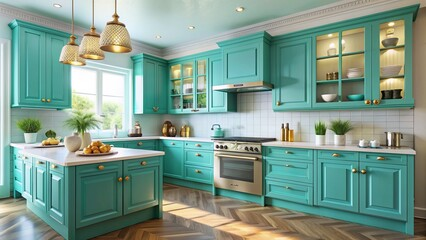
Cabinet Refinishing Ideas That Never Go Out of Style

San Jose Cabinet Refinishing

Your kitchen is the heart of your home and a canvas for personalizing style. Balance market-friendly cabinet colors with personal touches like backsplashes and hardware for a unified, timeless look that maximizes resale value. Timeless shades like Classic White, Soft Grays, and Warm Wood Tones evoke quality and elegance. With regular dusting and cleaning with mild, non-abrasive cleaners, these hues remain resilient to trends and withstand the test of time.

1. Paint

San Jose Cabinet Refinishing is one of the most impactful upgrades you can make to a kitchen. It’s not only cost-effective, but it also provides a fresh new look that complements modern, farmhouse, and traditional design aesthetics. However, selecting the best cabinet paint shade can be challenging. You want a color that blends well with other kitchen features, including countertop materials and backsplash designs, and it’s important to consider how the hue will respond to natural light throughout the day.

To ensure you’re choosing the right shade, test it out on a section of your cabinets before committing to a full application. It’s easy to think a white shade will look the same in all lighting conditions, but some shades can reflect blue or yellow undertones in certain environments.

While a bright white offers a sleek appearance that works well in contemporary kitchens, soft gray or sage green can enhance transitional or eclectic designs. These modern neutrals are versatile enough to merge with wood tones, stone countertops, and various appliance finishes.

A high-quality acrylic paint is ideal for kitchens because it’s designed to withstand scuff marks, moisture, and other daily wear and tear. It’s also easy to clean, making it an excellent choice for a space that sees frequent use.

When refinishing your kitchen cabinets, it’s essential to prepare the space for painting by covering floors and counters with tarps or paper covers. It’s also a good idea to remove all doors and hardware, as well as any hardware that’s attached to the inside of cabinet drawers. This makes reattaching them much easier when the time comes to apply a fresh coat of paint. Number each door and door pull as you remove them so they’re easy to reattach in the correct order when it’s time to reassemble your kitchen.

Painting cabinets is a time-consuming and messy project, so it’s important to plan ahead. Set aside a weekend (if not longer) to complete the task, and don’t rush it. If you’re considering hiring a professional to help, be sure to discuss the timeline and budget with them in advance.

2. Wood Tones

As a popular design trend, many homeowners and designers are embracing wood tones in their kitchens. Whether it’s an area rug, backsplash tiles, or wooden countertops, wood accents can add warmth and character to an otherwise stark white kitchen. However, it’s important to balance the natural look with other elements to avoid a monochromatic space that looks too flat and boring.

The first step in mixing wood tones is identifying the dominant wood tone in your home’s largest finish, such as flooring or cabinetry. Once you know which tone is most prominent, choose a stain color that complements it best. The more neutral or cool the stain color, the better it will coordinate with different wood tones.

When choosing a stain color, remember that woods have varying undertones that change depending on the light they are in. For example, oak can have pink or red undertones, while maple will have yellow or violet undertones. When coordinating woods, it is also essential to consider the grain pattern. A strong grain will compete with other colors and can create a busy look.

During the design process, pay attention to the wood undertones of your countertops, flooring, and backsplash to make sure they match with your new cabinetry. It is possible to get a close match with staining or toning your cabinets, but this is a time-consuming process. If you aren’t comfortable doing it yourself, find a trusted and experienced staining professional who can help.

Another option for mixing wood tones is incorporating a wooden element like open shelving or an island in the middle of your kitchen. This can be a great way to tie together an entire room without overpowering it with too much color or wood.

For the best results when refinishing your white cabinets, be sure to choose a high-quality topcoat that will protect against scratches, moisture, and everyday wear and tear. The right type of finish will ensure that your new paint color lasts for years to come and stays beautiful against the rigours of daily use. For more tips on keeping your new white cabinets looking fresh, contact the experts at Brush & Roll Painting.

3. Hardware

Timeless cabinet colors like Classic White and Soft Grays evoke quality, elegance, and continuity. They easily blend with a wide range of kitchen styles and provide a neutral backdrop that allows for decorative upgrades without compromising the home’s overall look.

Whether your kitchen design leans toward modern, farmhouse, or traditional aesthetics, these hues complement all styles and can enhance resale value. Incorporate a few trendy touches by using colorful backsplashes, lighting, or appliances to create a balanced appearance that’s resilient to changing trends.

When you’re refinishing your cabinets, start by removing the hardware and carefully cleaning and sanding the laminate surfaces. Use a mild cleaner, such as white vinegar or TSP (trisodium phosphate), with gloves and follow the product’s instructions to remove grease, dirt, and other contaminants. Wipe and dry the cabinet doors and frames to prepare them for primer and paint. If you have laminate that has a textured surface or wood-grain finish, apply an even coat of primer and sand it smooth before you continue.

Once the primer has dried, begin refinishing your cabinet doors and drawer fronts with a high-quality cabinet paint. Brush on the first coat, then use a roller for larger areas, such as the frames and the sides of the cabinets. Be sure to use a roller with soft or medium bristles to prevent brush marks and smudges.

While you’re refinishing your cabinetry, consider replacing the knobs and pulls to add a fresh finishing touch to your kitchen. While there are no hard-and-fast rules when it comes to choosing knobs and pulls, classic square or rectangular hardware is often preferred for cabinetry. Choose pulls for cabinets with a simple, clean style or extra-long, full-length pulls for large drawers.

If your cabinetry is a white shade, update the hardware to match. For example, brass or nickel knobs complement coastal, Scandinavian, and vintage styles, while black finishes are a great choice for modern or contemporary settings. A mix of knobs and pulls is also a popular look that’s easy to change as your design preferences evolve over time.

4. Finishing Touches

When renovating a kitchen, sometimes a fresh coat of paint is all it takes to give the room an inviting appeal. White cabinet paint is a classic choice that complements many different design styles, allowing homeowners to express their personal style without sacrificing long-term resale value. Choosing the right shade, proper preparation, and regular maintenance will ensure that your new cabinet paint lasts for years to come.

White cabinets pair well with natural wood tones and modern accents. Warmer shades like cream and ivory create a cozy, lived-in look that enhances rustic or traditional elements. On the other hand, brighter shades like a crisp white or pure off-white create an open, clean feel that enlarges small spaces and highlights sleek countertops or modern fixtures. In addition, neutral tones like soft taupe and gentle sage green offer modern options that maintain timeless qualities.

If you’re working with a small budget, painting cabinets can be a cost-effective way to change the look of your kitchen. However, there are a few things to consider before you start painting. First, sanding the existing surface is necessary to prepare the surface for new paint. Using a block sander or even just sanding by hand can take a lot of time, but it’s essential to smooth out imperfections and achieve a quality finish.

After sanding, you’ll need to apply two coats of primer to the cabinet surfaces. This step is crucial, as it helps the paint adhere to the surface and prevents future peeling or fading. Once the primer dries, you’ll be ready to begin painting. A high-quality, latex paint is typically the best option for painted cabinets, as it offers a durable and washable finish that can withstand heavy use and frequent scrubbing. For added durability, choose a semi-gloss or satin finish.

If you’re working with a small space, consider painting only the upper cabinets and leaving the lowers natural. This two-toned look, known as the tuxedo kitchen, is popular and adds character to the space while keeping the overall look clean and modern. Keep in mind that this option isn’t always practical, depending on the layout of your kitchen and the amount of storage space you have available.
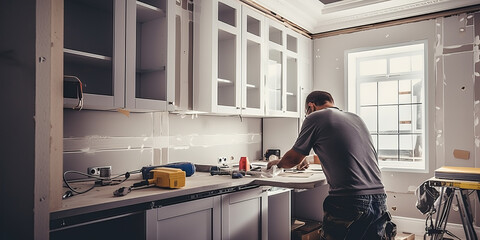
Kitchen Remodeling Vs Renovation Explained

Kitchen Remodeling

While these terms are often used interchangeably, they describe different processes that have major implications for your budget and timeline. Understanding these differences will help you find the right contractor for your kitchen upgrade.

Kitchen Remodeling Lexington KY focuses on upgrading existing features while keeping the kitchen layout intact. A remodel involves structural changes including removing walls, expanding tight spaces and relocating plumbing and electrical systems.

Cost

Kitchen remodels typically cost more than renovations due to the scope and structural changes involved. For example, moving walls and adjusting plumbing or electrical systems can increase costs. Additionally, custom cabinetry and appliances can add up quickly. Having a clear budget and stick to it is crucial to avoid cost overruns.

Depending on your needs, you may need to compromise on features or materials to stay within your budget. For example, if you want an open-concept kitchen but can only afford to upgrade your cabinets and countertop, you might have to settle for a cramped galley layout with an island.

Renovating a kitchen is less costly than remodeling and usually takes less time since it doesn’t involve changing the structural layout. It is also a great option for homeowners on a tight budget or those who are comfortable with DIY projects.

Kitchen renovating includes surface-level improvements like repainting cabinets, replacing flooring and updating fixtures. This type of project is less disruptive and doesn’t require permits or inspections. It is less expensive than a full kitchen remodel but may not add significant resale value to your home.

Remodeling a kitchen is ideal if the basic layout no longer meets your needs or requires major structural changes. A kitchen remodel will allow you to transform a cramped galley into an open-concept living space and include all your must-haves. A kitchen remodel can also increase your home’s resale value and provide a higher return on investment. If you are ready to take the next step in improving your living space, contact us at Rockfab for expert guidance and a free consultation. We can walk you through the pros and cons of both options and help you choose what is best for your home.

Time

Remodeling involves changing the layout of a kitchen to improve functionality and increase the overall value of your home. This is done by removing walls, opening up space, adding an island, changing the position of appliances and relocating plumbing, electrical and ventilation systems. This is a bigger project that requires a greater investment but can yield jaw-dropping results and provide a huge return in both daily enjoyment and resale value.

The time it takes to complete a kitchen remodel depends on the size of your kitchen, the amount of work needed and your contractor’s experience. While savvy planning can significantly shorten the remodel time, it is important to keep in mind that there are many moving parts involved and unexpected problems can arise. Having a clear timeline is vital to ensure the kitchen renovation process goes smoothly and without hiccups.

Kitchen remodels often require permits and inspections, which can add to the overall cost of the project. The best way to estimate how long it will take to remodel your kitchen is to speak with a professional kitchen remodeling contractor about your project goals and schedule.

It’s important to note that renovating and remodeling are not the same thing. A renovation is a cosmetic improvement that preserves the existing structure and layout of a room while updating materials. A renovation may include painting, replacing countertops, adding a new backsplash tile, or upgrading the appliances. This type of project is often less expensive and requires fewer resources than a remodel. It is ideal for older homes or for those who want to refresh their kitchens but do not need major structural changes. A full kitchen remodel is ideal for addressing functional issues, increasing resale value and adding comfort.

Disruption

A remodel involves major structural changes, including tearing down walls, altering the layout, adding or moving appliances and changing electrical wiring. This type of work may require permits and significantly extend timelines for completion. Renovating a kitchen focuses on improving a space without significant structural change and often requires fewer permits. This typically allows homeowners to continue using the kitchen while work is underway.

While the two terms are often used interchangeably, it’s important to understand how they differ in scope and purpose. This helps project expectations better align with budgets, timelines and the level of disruption that’s comfortable for the home owner.

The difference between a remodel and renovation can make a big impact on project costs, schedules and planning. Understanding the difference makes the decision easier and keeps surprises at bay for a more controlled planning process.

During a kitchen renovation, surface-level upgrades like painting walls, replacing flooring, updating countertops, and installing new fixtures refresh the appearance of a kitchen without changing its basic structure. A kitchen remodel includes many of the same elements but also often entails significant structural changes, such as changing the kitchen’s layout or adding additional space.

Kitchen remodeling is ideal if you have problems with your current kitchen layout, such as a lack of storage or poor flow. It also makes sense if your current kitchen doesn’t match your style or the overall look of your house. This kind of project is more expensive but delivers a higher return in daily enjoyment and in the home’s resale value.

Function

The function of your kitchen can be enhanced through both remodel and renovation. However, the differences between these processes will impact your project’s scope and timeline. For example, renovating is better suited for surface-level upgrades such as replacing flooring, updating countertops or fixtures, and refreshing the appearance of cabinetry. Remodeling, on the other hand, offers a more dramatic change in design and layout that can dramatically improve functionality. These types of structural changes may include removing walls, moving appliances, and reconfiguring plumbing and electrical systems.

Ultimately, the decision between renovation and remodeling comes down to your specific needs, lifestyle, and budget. If your kitchen’s structure and layout still works well for you but its aesthetic needs upgrading, a kitchen renovation will be more cost-effective and less disruptive. On the other hand, a full kitchen remodel will offer significant improvements in both function and style that can be more valuable for your family’s daily life and home value.

Both remodel and renovation increase your home’s value, but the difference in scope can make a dramatic impact on your timeline and budget. If you’re unsure which option is best for your situation, Rockfab can provide expert guidance and a free consultation. Contact us today to learn more!

Aesthetics

When it comes to kitchen remodeling, the scope is wider than just cosmetic upgrades. Remodeling alters the structure, layout, and overall design of your kitchen to improve functionality and create a space that fits your specific lifestyle. It could involve relocating plumbing to accommodate new appliances, knocking down walls, or creating an open concept design. A full remodel may also include custom cabinetry, a kitchen island, and other features to enhance the aesthetics of your kitchen.

Remodeling can be more disruptive than renovation because it often requires structural changes, such as adjusting the layout and relocating load-bearing walls. However, the result is a redesigned kitchen that meets your family’s needs and can add to the value of your home.

During a renovation, you can usually live in the home while work is underway, but if you’re remodeling your kitchen, it’s important to find temporary living arrangements during construction. This is because a kitchen remodel typically includes structural adjustments that impact workflow and accessibility, such as relocating the sink or stove or reconfiguring the electrical wiring.

While both remodeling and renovation are great options for improving your home’s quality of life, it’s important to understand the difference between them so you can decide what type of project is best suited for your goals. Remodeling involves making significant structural changes and transforming the look and feel of your kitchen, while renovation is more limited in scope and only addresses the surface-level appearance of your kitchen. It’s important to consider your budget, timeline, and goals when choosing between these two options. The right choice will make a big impact on your home’s resale value and long-term enjoyment of your kitchen.