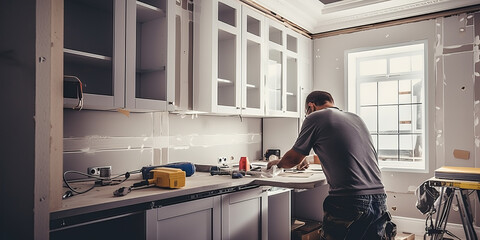
Drywall, also known as gypsum board or plasterboard, is an essential component in modern construction and home renovation projects. It serves as the foundation for walls and ceilings, providing both structural support and a smooth surface for finishing. Professional B&K Enterprises drywall services ensure that this critical element is installed, repaired, or replaced with precision and quality, enhancing both the functionality and appearance of any space. Whether you are building a new home, remodeling, or addressing damage, drywall services are vital for achieving a polished and durable finish.
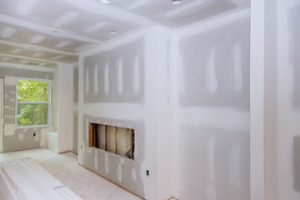
One of the main reasons homeowners and property managers rely on drywall services is to maintain structural integrity. Drywall not only provides a clean, uniform surface but also contributes to the overall stability of interior walls and ceilings. Poor installation or delayed repairs can compromise the strength of these surfaces, leading to sagging, cracks, or even water damage over time. Professional drywall contractors have the expertise to ensure precise measurements, proper alignment, and secure attachment, reducing the risk of future structural problems and providing a solid foundation for further finishing work.
Another significant benefit of professional drywall services is enhancing aesthetic appeal. Smooth, well-finished walls and ceilings create a visually pleasing environment, making spaces appear clean, modern, and inviting. Skilled contractors can achieve seamless joints, expertly apply joint compound, and properly sand surfaces to eliminate imperfections. Additionally, drywall provides a versatile base for painting, wallpaper, or textured finishes, allowing homeowners and designers to customize interior spaces according to style preferences and current trends. A professionally completed drywall project significantly improves the overall look and feel of any home or commercial property.
Drywall services are not limited to new construction; they are equally critical for repairing and restoring damaged surfaces. Over time, walls and ceilings may experience cracks, holes, dents, or water damage due to accidents, aging, or environmental factors. Addressing these issues promptly prevents further deterioration and maintains the safety and appearance of the space. Common drywall repairs include patching holes, replacing damaged sections, fixing water-stained areas, and smoothing cracks. Skilled contractors use high-quality materials and techniques to restore surfaces to their original condition, ensuring durability and a seamless finish.
One of the key advantages of professional drywall services is time efficiency and precision. While DIY drywall installation or repair may seem feasible, it often leads to uneven surfaces, improper finishing, or long-lasting imperfections. Experienced contractors bring specialized tools, materials, and techniques that allow for faster completion without compromising quality. From taping and mudding to sanding and finishing, every step is performed with care, resulting in professional-grade walls and ceilings that are ready for painting or other decorative treatments.
Drywall services also include custom design solutions for both residential and commercial properties. Modern construction often involves unique layouts, niches, built-in shelves, or decorative ceiling features that require specialized drywall work. Professional contractors can create custom panels, arches, and textured finishes that enhance architectural appeal while maintaining structural integrity. These design-focused services allow property owners to combine functionality with style, achieving spaces that are both practical and visually striking.
Another important consideration is insulation and soundproofing. Drywall provides a platform for incorporating insulation materials that improve energy efficiency and interior comfort. Additionally, specialized drywall panels and installation techniques can enhance soundproofing, reducing noise transmission between rooms or from external sources. This is particularly valuable in multi-family housing, offices, or entertainment spaces where noise control is critical. Professional drywall services ensure that these features are installed correctly, maximizing their effectiveness and long-term performance.
Two important elements to consider when planning drywall projects are:
- Quality of Materials: Using high-grade drywall panels, joint compounds, and fasteners ensures durability, smooth finishes, and resistance to common issues such as cracking or warping.
- Expert Installation Techniques: Proper alignment, secure fastening, and correct application of joint compound and tape are essential for achieving seamless walls and ceilings.
By focusing on these elements, homeowners and property managers can ensure that drywall projects deliver both structural integrity and aesthetic appeal.
Drywall services also encompass ceiling installations and repairs, which require specific expertise due to height, angles, and load considerations. Whether it is a standard flat ceiling, vaulted design, or intricate decorative feature, professional contractors ensure proper support, alignment, and finishing. Repairing ceilings damaged by leaks, cracks, or settling requires careful attention to prevent recurring problems and maintain a smooth, polished appearance. Experienced drywall contractors have the tools and techniques necessary to address ceiling issues safely and efficiently, enhancing the overall quality of the interior space.
Water damage is one of the most common causes of drywall issues in homes and commercial properties. Leaks from roofs, plumbing, or condensation can compromise drywall integrity, causing warping, mold growth, or staining. Prompt repair or replacement of affected drywall is essential to prevent further damage and maintain a healthy indoor environment. Professional drywall services include the removal of damaged sections, treatment for moisture, and installation of new panels, ensuring a durable and seamless result. By addressing water-related problems effectively, contractors preserve both the structural integrity and visual appeal of walls and ceilings.
Drywall finishing is another critical aspect of comprehensive services. The finishing process involves applying multiple layers of joint compound, sanding, and texturing to achieve a flawless surface. Skilled contractors pay attention to detail, ensuring that seams, joints, and corners are smooth and nearly invisible. Proper finishing enhances the durability of the drywall, making it resistant to cracking, chipping, or other forms of wear over time. A high-quality finish also provides the perfect base for paint, wallpaper, or decorative accents, elevating the overall interior design.
Drywall services are also valuable for commercial projects, where larger-scale installations and higher durability standards are often required. Offices, retail spaces, and institutional buildings frequently require specialized drywall panels for fire resistance, soundproofing, or high-traffic durability. Professional contractors can meet these demands, providing custom solutions that comply with building codes and industry standards. By hiring experienced drywall professionals, commercial property owners can ensure that walls and ceilings not only meet functional requirements but also present a professional and polished appearance for clients, employees, and visitors.
Regular maintenance and repair are essential for prolonging the life of drywall surfaces. Small cracks, dents, or holes may seem minor but can worsen over time if left unaddressed. Preventive measures, such as routine inspections and timely touch-ups, preserve both the structural and aesthetic qualities of walls and ceilings. Professional drywall contractors provide maintenance services that extend the lifespan of drywall installations, ensuring that interior spaces remain attractive and structurally sound for years to come.
Modern drywall services also integrate eco-friendly materials and techniques. Environmentally conscious homeowners and builders often seek low-VOC joint compounds, recycled drywall panels, and sustainable finishing materials. Contractors with expertise in eco-friendly solutions ensure that these materials are installed correctly, maintaining durability and visual quality while reducing environmental impact. Incorporating sustainable drywall practices aligns with broader goals of energy efficiency and responsible construction.
In conclusion, drywall services are an essential component of home and commercial property improvement. From installation and finishing to repair and custom design solutions, professional drywall contractors provide expertise, precision, and efficiency that ensure durable, visually appealing, and functional interior surfaces. Whether addressing structural integrity, aesthetic enhancements, water damage, or soundproofing, drywall services contribute significantly to the quality and value of a property.
Key advantages of professional drywall services include:
- Improved Structural Integrity and Durability
- Enhanced Aesthetic Appeal and Seamless Finishes
- Effective Repair of Damaged Walls and Ceilings
- Integration of Insulation, Soundproofing, and Eco-Friendly Solutions
By relying on experienced professionals, property owners can achieve high-quality results that stand the test of time. Proper drywall installation, maintenance, and repair not only improve the immediate appearance and functionality of a space but also provide long-term benefits, protecting the investment and enhancing the overall living or working environment.